
Medaka 101
What Is Medaka?
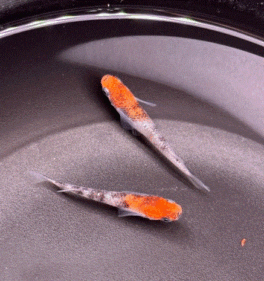
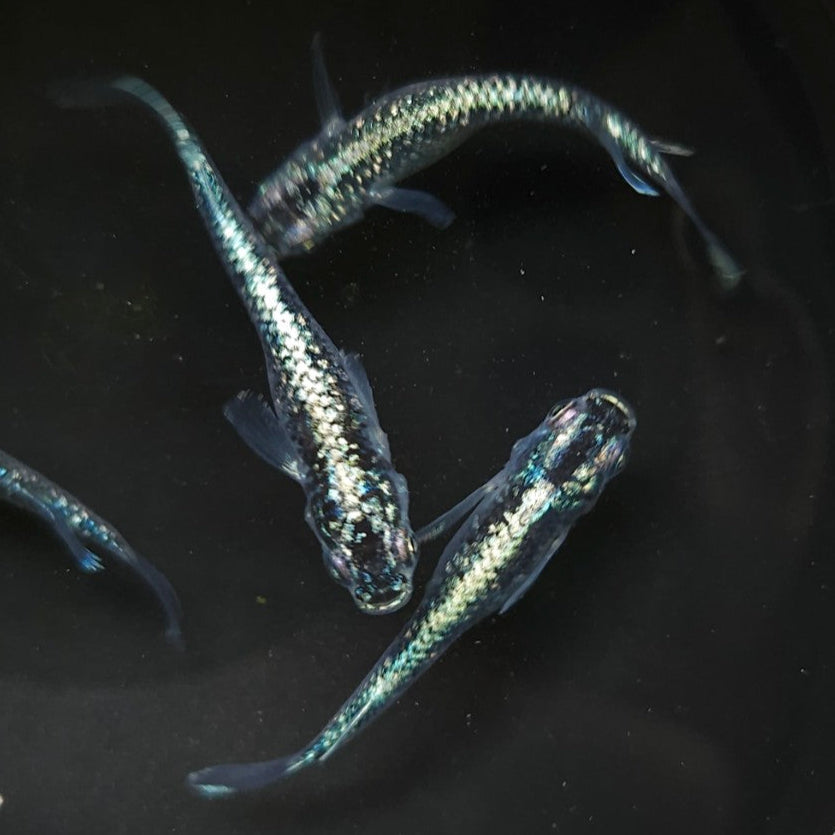
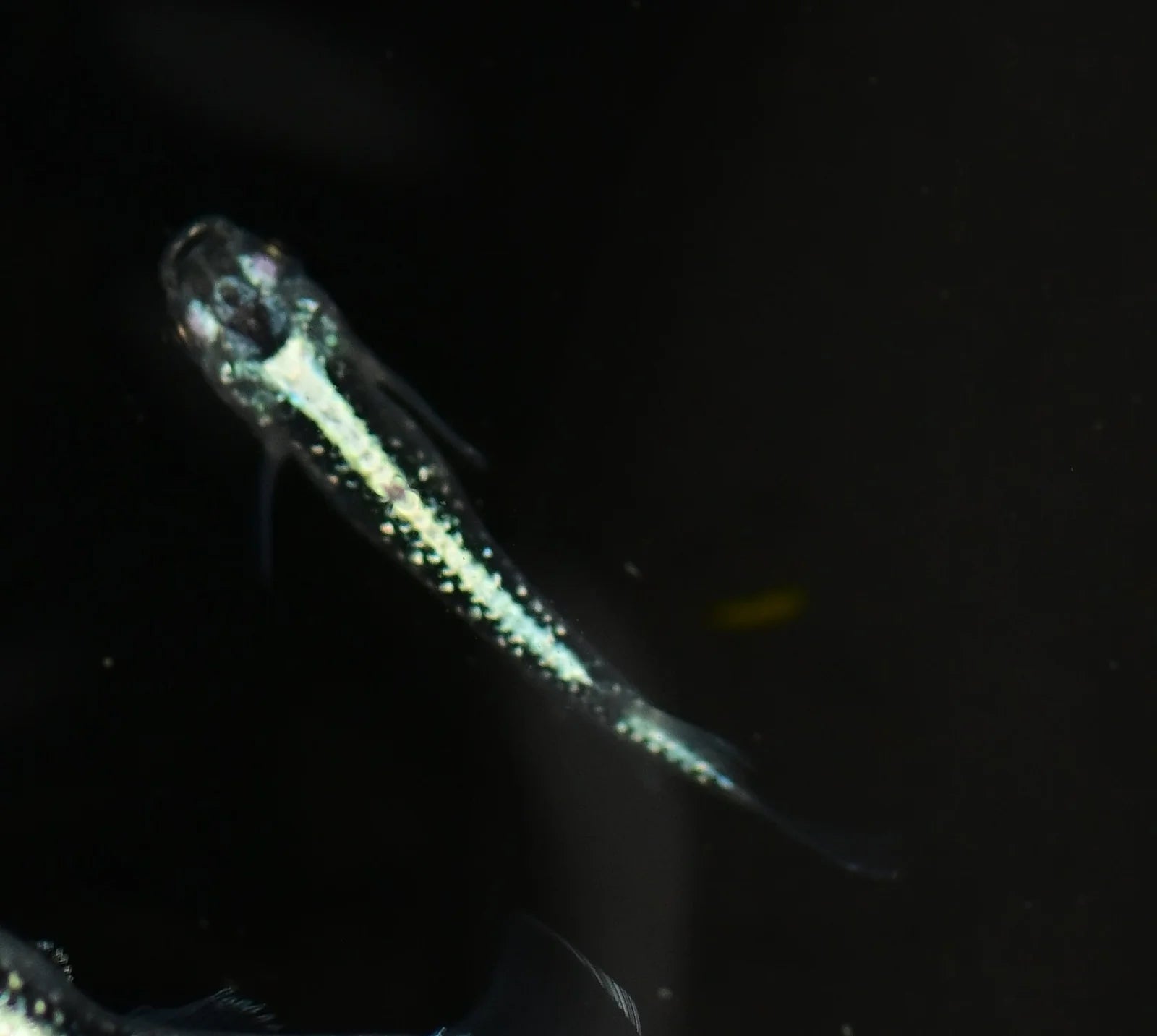
Medaka, also known as Japanese Rice Fish, are hardy freshwater fish originally developed in Japan.
Their real strength is consistency. When water conditions stay steady and crowding is avoided, medaka remain healthy and breed naturally.
Tank Size & Stocking
A practical guideline is one medaka per 1 gallon.
- Example: 10 medaka → 10 gallons
- More water volume usually means more stability
- Overcrowding creates stress and increases disease risk
Keeping Location
- Bright environments keep medaka more active, and natural sunlight is ideal
- Outdoor setups often improve coloration and breeding behavior
- Provide partial shade outdoors to prevent overheating
Whether indoors or outdoors, stability matters more than complexity.
Water Preparation
- Always dechlorinate tap water before use
- Aged water helps keep changes consistent
- Acclimate and quarantine new fish whenever possible
- Avoid sudden temperature or parameter swings
Feeding
How Much
- Feed only what they finish in 1–3 minutes
- Use a pellet size they can easily consume
How Often
- Summer: twice daily
- Spring/Fall: once daily
- Winter (outdoor): stop when fish no longer surface
Overfeeding is the number one cause of water quality problems. Avoid grinding pellets into fine powder, as powdered food can deteriorate water quality quickly.
Water Changes
- Change water about once per week
- Replace 30–40% of the total volume
- Frequency depends on stocking density, feeding, and plant growth
Temperature & Light
- Breeding typically starts around 70°F+
- 12–13 hours of light encourages spawning
Breeding Basics
- Group breeding is more reliable than single pairs
- Female-heavy ratios (2F:1M or 4–5F:2M) work best
- Use spawning mops or fine plants
- If adults eat eggs, adjust feeding or hatch eggs separately
Common Health Issues
- Ich: small white spots
- Fungal infections: cotton-like growth
- Fin or tail rot: fraying fins
Common Beginner Mistakes
- Overfeeding
- Overstocking
- Large sudden water changes
- Strong water flow can exhaust medaka, especially for fry
Keep It Simple
Sunlight, appropriate feeding, stable water, and patience are the foundation of successful medaka keeping. A calm, natural, low-intervention setup works best.