
Medaka Guides & Tips
Skinny Disease in Medaka (痩せ細り病): Causes, What It Looks Like, and What Actually Helps
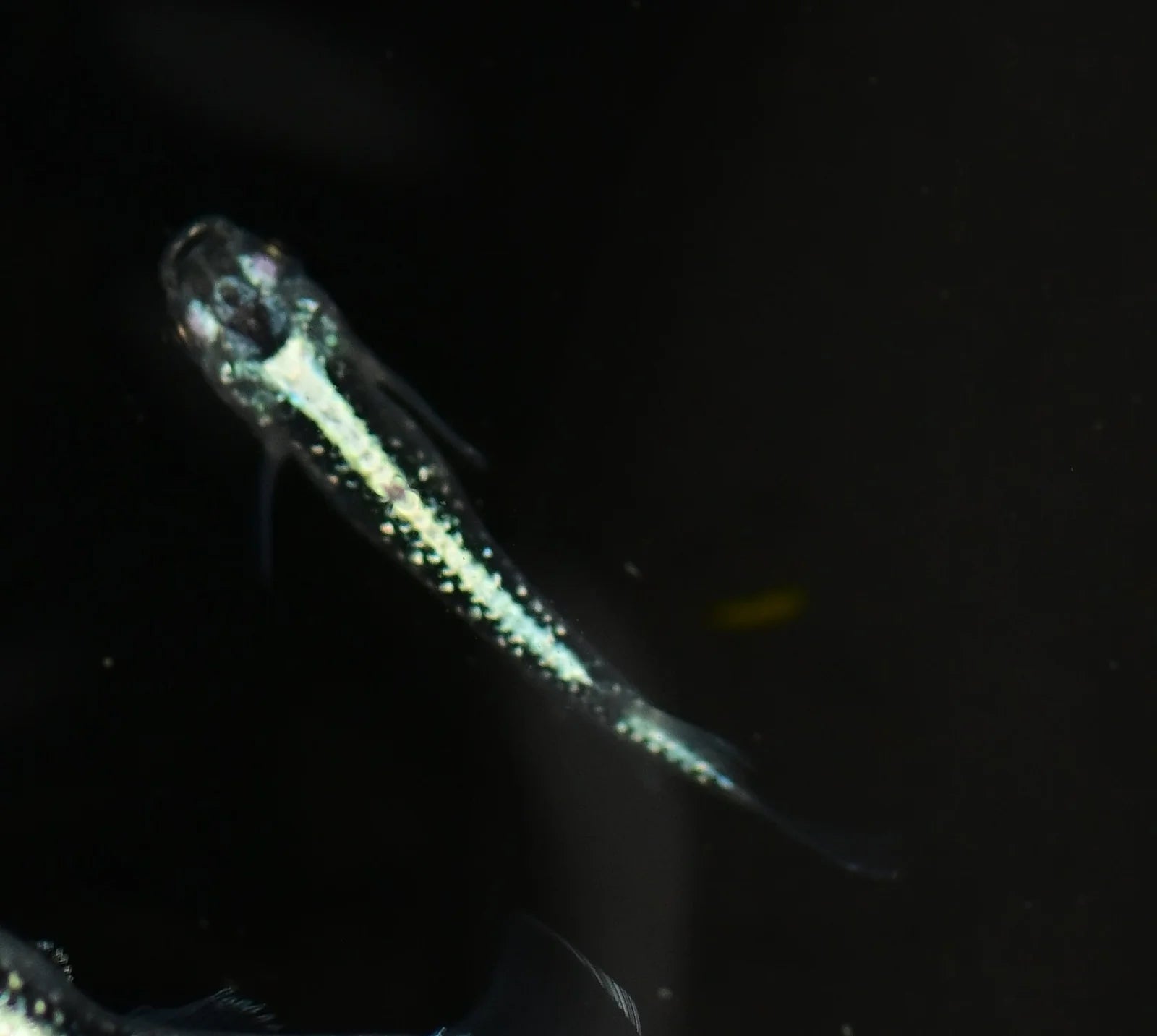
“Skinny disease” (痩せ細り病) is one of those medaka problems that feels unfair. One fish slowly loses body mass, fades, and weakens. You can keep water clean and still watch the fish decline. The hard truth is that 痩せ細り病 is often used as a label for a pattern, not a single proven cause. The good news is your response can still be consistent and effective when you act early. Quick note This is keeper-to-keeper guidance built from the Japanese references you shared and real-world husbandry logic. It is not veterinary advice. There is no single guaranteed cure. Think of this as a clean decision path: what to spot early, what to rule out, and what to try in a sensible order. On this page What “skinny disease” means and why it’s confusing Visual signs and common progression What it is not Most discussed causes Is it contagious What to do in the first day What actually helps Prevention that makes a real difference FAQ References What “skinny disease” means and why it’s confusing In Japanese hobby writing, 痩せ細り病 is a practical name for a pattern: a medaka becomes noticeably thin, loses energy, often separates from the group, and may die after a gradual decline. Some authors also group in odd swimming posture like vertical or tilted swimming (立ち泳ぎ), because those signs sometimes appear together in the same cases. Key idea Think of “skinny disease” as a syndrome. That means the safest approach is to isolate early and work through likely causes step by step instead of throwing everything at the fish. Visual signs and common progression Skinny disease rarely starts with one dramatic symptom. Most keepers notice it because one fish just looks off. Across the sources you shared, the same pattern shows up again and again. Early stage Body line looks sharper from above, belly looks flat instead of gently rounded Fins held tighter than normal, movement looks less confident Feeding behavior changes, slower to join, pushed away, spits food Spends more time alone at the edge of the group Middle stage Clear thinning over days to a couple of weeks Color looks washed out More resting near the surface or corners Sometimes posture changes like tilt or odd angle swimming Late stage Extremely thin, almost paper-like body profile Weak response to food, drifting or wobbling Very low reactivity Multiple sources point out that once the fish reaches the late stage, recovery becomes difficult. Timing matters more than the medication name. Practical tip Top-view observation can hide how thin the fish really is. When you suspect skinny disease, do a quick side view check in a clear cup so you can judge the body thickness. What it is not Before you treat, rule out the common situations that make a medaka look thin without a true disease process. This matters because the solution can be simple if you catch it early. Looks similar, but What’s different What to do Feeding competition or bullying Fish is chased, excluded, or cannot reach food. Other fish look normal. Separate the fish, feed in multiple spots, reduce crowding. Indoor tank underfeeding Tank is very clean with little natural micro-food, fish relies fully on prepared feed. Increase feeding frequency in tiny amounts, add live foods if possible, keep water stable. One thin fish that stays stable Fish is thin but behavior stays normal for weeks. Still isolate and observe. Avoid panic dosing the whole tank. Most discussed causes If you read multiple hobby posts, you will see different opinions. When you line them up, most ideas fall into a few buckets. More than one bucket can be true at the same time. 1) Stress and social pressure Several sources describe a simple pattern: a fish gets pushed around, loses access to food, stays stressed, and then slowly thins out. In those cases, isolation and calm feeding can produce surprisingly fast improvement. 2) Nutrition and indoor environments A repeated theme is that indoor aquariums can be “too clean.” When there is little micro-life, medaka depend entirely on what you feed. If feeding is light, irregular, or low quality, weaker fish can fall behind quickly. The goal is not to dump food. The goal is small portions, more often, with high-quality options and minimal leftovers. Live foods are frequently mentioned because they are eaten fully and do not rot the same way. 3) Parasites or protozoa Some keepers suspect parasites when a fish eats but keeps thinning, or when multiple fish show similar decline over time. The practical implication is quarantine, strong aeration, and using fish medications that match the suspected category, following label directions. 4) Bacterial involvement Some references discuss chronic infection patterns in connection with skinny disease. Not every thin fish has a chronic infection. Still, this is one reason quarantine and tool hygiene are emphasized so strongly, especially if you see repeat cases. 5) Setup patterns keepers notice: light and container conditions One of the sources you provided points out a tendency: skinny disease seems to appear more in darker containers placed in low light areas, and less in brighter containers or stronger sunlight. This does not prove light is a cure. It may reflect that brighter, healthier systems tend to have more natural micro-food and more stable daily rhythm. Is it contagious A clean, honest answer is this: some cases likely behave as contagious, and some likely do not. Because 痩せ細り病 is used as an umbrella label, the safest household rule is to treat it as potentially contagious until proven otherwise. Safe assumption rule Isolate early in a hospital container Do not share nets, siphons, or cups between tanks Observe tankmates for 2 to 4 weeks What to do in the first day The first day is not about finding a perfect medicine name. It is about stopping the slide by removing pressure. Step 1: Simple hospital container Clean container with dechlorinated water Match temperature to the original tank to avoid shock Gentle aeration No substrate needed Step 2: Remove hidden stress Add simple cover so the fish can rest Keep lighting calm Avoid repeated net chasing Step 3: Feed as a test Offer a tiny amount of high-attraction food. If the fish eats, that is information. If it refuses, do not keep adding food. In small containers, dirty water becomes the fastest way to lose the fish. Small keeper trick Watch feeding time in the main tank for two minutes. Many “mystery” skinny fish are losing every meal without the keeper noticing. What actually helps There is no single agreed cure, so think in a ladder. Start with supportive care and stability, then escalate based on what you see. Supportive salt use Several sources describe salt as supportive care. It can reduce stress on a weakened fish. Commonly mentioned working ranges include about 0.3% to 0.5%, with emphasis on gradual adjustment and close observation. Start gentle and adjust slowly Use a separate container Keep aeration strong Transition out gradually Reality check Salt can stabilize a fish, but it does not solve every case. If the root issue is parasite-related or chronic infection, salt may only help a little or not at all. Medication only when you have clues Some keepers treat skinny disease like a parasite case when irritation is obvious, or when multiple fish trend the same way. Others lean bacterial when the decline is slow and repeatable across time. The best approach is to look for extra signs and follow label directions carefully. Clues that push you toward medication More parasite-like Rubbing or flashing Fast breathing and irritation Multiple fish trending off at the same time More chronic-infection-like Slow decline over weeks Posture changes that do not resolve Repeat cases over months Whatever you choose, keep aeration strong. Weak fish struggle quickly in low oxygen, especially during treatment. Feeding strategy that does not ruin water If the fish can still eat, nutrition is your strongest tool. Many recovery stories share the same backbone: isolation, consistent feeding, and clean water. Small portions, multiple times daily High-attraction foods, live foods if available Rotate foods for better nutrition coverage Remove leftovers immediately Environment adjustments If skinny disease repeats in one area, treat it as a system signal. Several sources and keeper observations point toward the importance of stable conditions, reduced stress, and a healthy food environment. Reduce bullying pressure and crowding Consider brighter placement if your setup is consistently shaded Consider container choices that support a healthy micro-food environment Prevention that makes a real difference For skinny disease, prevention is not a slogan. Once a fish reaches the paper-thin stage, recovery becomes difficult. Focus on the boring fundamentals because those are what stop repeat cases. Simple prevention checklist Quarantine Quarantine new fish in a separate container Do not share tools between tanks Observe for 2 to 4 weeks Feeding access Feed in multiple locations Use smaller food when needed Rotate foods, add live foods occasionally if possible Audit if you see repeat cases Watch for bullying during feeding Review feeding frequency and food quality Check tool hygiene between tanks Avoid unstable routines that reset the system biology too often Review whether the setup is consistently dark and low light FAQ How fast does skinny disease progress It depends on the underlying cause. Some fish decline within one to two weeks. Others stay thin for a long time. That slow timeline is part of why the topic feels confusing. Should I treat the whole tank Start by isolating the affected fish. Treating the whole tank without a clear target often causes more harm than good. If multiple fish show the same pattern, then you may need a system-wide plan. What is the single most important move Early isolation. Once skinny disease becomes a repeat pattern in a system, it becomes much harder to manage. References Sources you provided. Accessed January 27, 2026. JASMA 痩せ細り病 https://jasma.sc/medakasiiku/286/ 姫めだか 痩せ細り病(やせ細り・立ち泳ぎ) https://www.hime-medaka.com/byoukitomedaka/yasehosori.html Note (asumi_39) https://note.com/asumi_39/n/nfe687f83ced0 MedakaLife https://medakalife.com/biotope-illness-thin/ Jurinji Aqua Farm 痩せ細り病はうつる? https://jurinji-aquafarm.com/medaka/medaka-yasehosoribyou-uturu/ Aru-na 痩せ細り病の原因と治療について https://www.aru-na.net/post-2663 Sanlaizu メダカ guide post https://sanlaizu.co.jp/medaka-guide/post-2492/
Read more