
People ask this a lot: “Do medaka need to be raised indoors or outdoors?” The honest answer is no, there’s no rule. Both can work. But the environment a fish grows up in does change how well it handles real-world conditions, especially temperature swings.
Indoor vs Outdoor: There’s No One Right Way
I’m not here to say indoor is wrong or outdoor is the only way. Plenty of keepers raise beautiful medaka in glass aquariums. That said, if we’re talking about hardiness and how a fish reacts when the weather shifts, outdoor-raised fish usually have an advantage.
Why Outdoor-Raised Fish Tend to Be Hardier
When medaka grow up outdoors, they experience gradual seasonal changes. That “real life” temperature history matters. Fish that have lived through normal cooling from fall into winter often handle cold snaps better than fish that have only known warm, stable water.
Also, not every fish makes it through the fall-to-winter transition, and that’s normal. The ones that don’t make it are often the smaller or weaker individuals. It’s not that outdoor keeping is harsh, it’s that nature tends to reveal which fish were never going to be as robust long-term.
Cold Weather Isn’t Always the Main Problem
Here in North Carolina, we get stretches where it’s truly cold, sometimes with snow and freezing nights. In my experience, medaka can survive very cold weather as long as there’s still water in the container. Cold air alone doesn’t automatically wipe them out.
What causes more problems is when fish that were raised only in warm, stable conditions are suddenly placed outdoors. They haven’t built that tolerance, so the mortality rate can be much higher.
You can see a similar pattern with fish from consistently warm regions. Many imported fish raised in year-round warm environments struggle when they’re exposed to outdoor conditions in colder climates. It’s one reason some warm-raised lines can be challenging for keepers who want true outdoor tubs.
Medaka Aren’t Just “Aquarium Fish”
In the U.S., a lot of fish keeping culture is built around side-view display tanks. Glass aquariums are what most people know, and there’s nothing wrong with that. But medaka have a long history of being enjoyed from above, in tubs, bowls, and outdoor biotope-style setups.
That matters because many medaka traits are best appreciated from the top. And in a glass aquarium, you sometimes run into a visual issue that doesn’t get talked about enough: background reaction.
Background Reaction (And Why Your Fish Can Look “Different”)
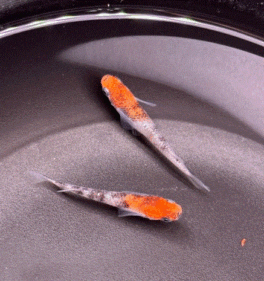
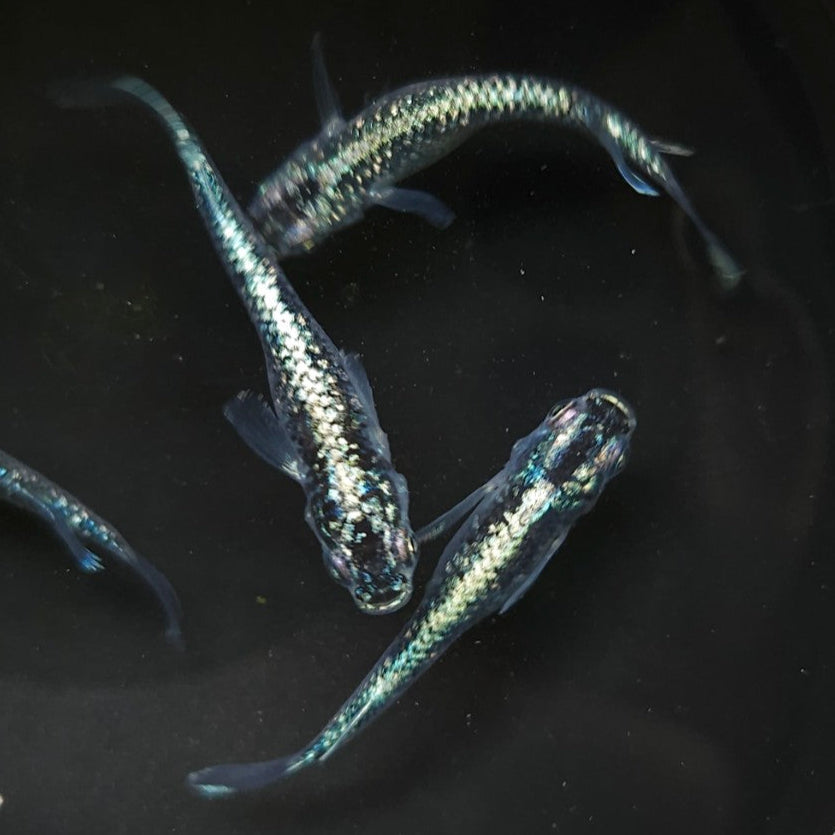
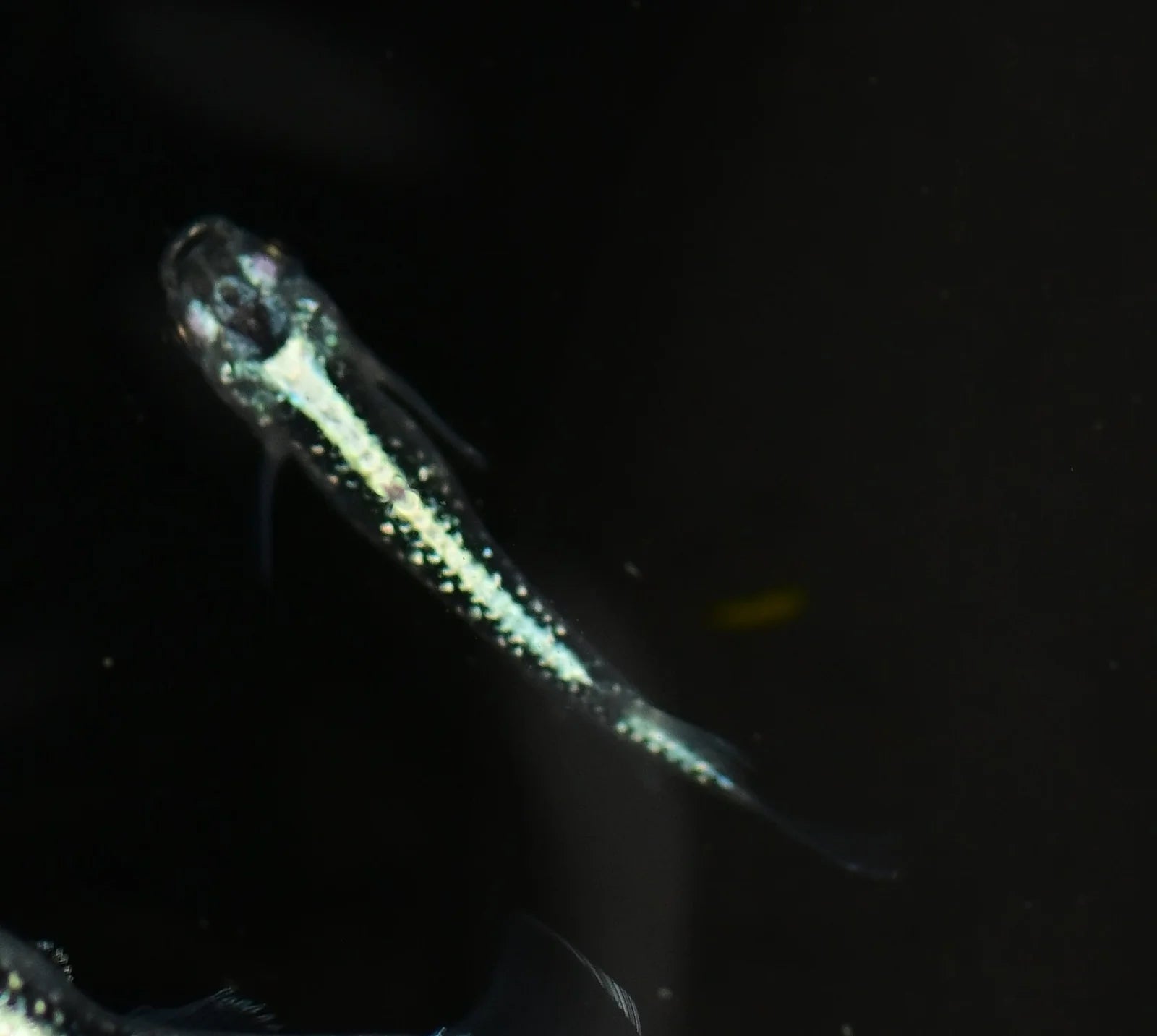
Medaka can change how they appear depending on their surroundings. Tank color, lighting, and background all influence how certain colors and patterns show up. In a glass aquarium, background reaction can sometimes mute a trait or make it look less “clean” than it does in a top-view tub. The fish is still healthy, you’re just seeing the trait under different conditions.
To be clear, there are absolutely medaka lines today that look great from the side. Breeding has come a long way. But if someone’s goal is to enjoy classic top-view traits the way they were originally selected for, tubs often make that easier.
My Personal Take
Personally, I recommend outdoor or tub-style raising whenever it’s practical. Not because it’s the only correct method, but because it tends to produce fish that are more resilient and more consistent in how they handle temperature swings.
If you live in an area with extreme winters, there’s also a middle-ground approach: keep them outdoors during warmer seasons, and bring them indoors temporarily during the harshest part of winter. That’s a realistic option for a lot of keepers.
Final Thought
Indoor and outdoor setups can both be successful. The key is understanding what each environment does to the fish: outdoor builds tolerance to change, while indoor gives you control and stability. Once you factor in temperature history and background reaction, it becomes much easier to choose a setup that fits your climate and your goals.